
|
Progressive Practice Best RC Race TrainingPractice, practice, practice - and then practice some more. R/C car racing (electric or gas/nitro power) require that drivers develop reactions and master techniques of manipulating their vehicle. The biggest advantage in RC Racing most often goes to the racer who has spent the most time practicing with his or her favorite car. The more time you can put in, generally speaking, on a paved surface like an open parking lot for schools, churches or office buildings (be sure to get permission first), the stronger a contender you will be. Don't get me wrong, proper set-up of your car counts a lot, but you will watch seconds become an eternity if you park your car on its roof during a race and cool your heals waiting for a marshal to put the rubber side down. Remember, you sacrifice control to maintain blistering speed. Slower is often faster especially for beginners. Electric RC cars are quick agile and easier for beginners just getting started. Many of these come as ready to run kits with little, if any, assembly required. However, they can become more sophisticated and have been clocked at over 100 mph in speed tests. Electrics run on battery packs which will usually mean shorter run times" than Nitro or gasoline powered. If you are beginning on a new track, using a new car, or just beginning, drive super slow, just above idle speed for the first two or three time around. When you can make it around three times without a mishap, pick up the pace so maybe by the time you are running on fumes you may be running at 70% of what you consider your best effort for a quick circuit.
Some racers take to bashing for practice, but serious contenders know no bashing will prepare you for a race. It’s a lot of fun, but mistakes are not costly. It makes sense to set progressive goals for your practice sessions: * Less than three crashes per lap including spinouts, rollovers, tangling with the pipes and other drivers when possible. Then set your sights on under two crashes and then get to one. Now increase the number of laps you can run without a crash. * Now try to maintain consistent lap times with few crashes per race. Set yourself a 15-lap rally and see if you can get a complete heat without a crash * Learn to adjust weight distribution and the car's suspension to compensate if it is running too loose or has too much push. * You can also compensate by changing the car's body to deal with differing aerodynamics for different tracks.
|
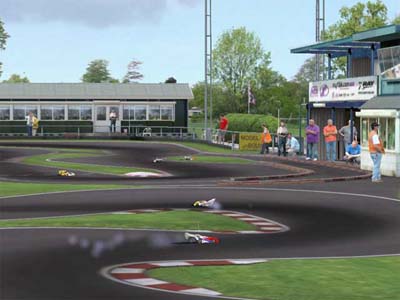 After you refuel, start again at idle for a lap or two and more quickly move up to 100% after maybe five or six laps. This will help you learn your car, the track and spend less time acting as your own marshal to right upended cars.
