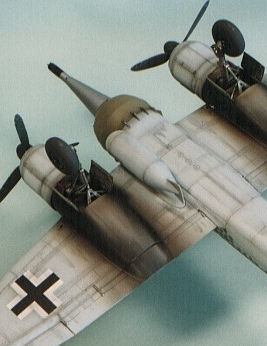
There are very few things in real life that escape some
form of looking used. Weathering is a fact of life for everything from
buildings to planes, from trees to tanks and from ships to trains.
Weathering is the term of choice in all instances where
the purpose of your effort is making the model look like it has been used.
This used condition takes many forms. Its up to you to simulate it. Litter
accumulates, dirt and grime gets deposited, exhaust stains, sun fades the
hardest of painted surfaces, metal rusts, and almost everything shows use
and abuse.
Every time you scan large scale photographs of the real thing you can see
the obvious signs of age. Make a mental note of what caused the signs and
then determine how you can simulate the same signs. NOTE: that is
simulate, not duplicate.
For one thing duplication of the aging result relies on time and that is one element you will find hard to duplicate. Another factor of aging in real life is particulate size. For instance, rusting on a surface leaves a fine coating of powdered metal. Even if plastic did rust, the look wouldn't be the same. When you get down to scale of 1:48 or 1:87 this fine powder would look a lot more like a stain.
For one thing
duplication of the aging result relies on time and that is one
element you will find hard to duplicate. Another factor of aging in
real life is particulate size. For instance, rusting on a surface
leaves a fine coating of powdered metal. Even if plastic did rust,
the look wouldn't be the same. When you get down to scale of 1:48 or
1:87 this fine powder would look a lot more like a stain.
The same is true for other
forms of weathering, you need to simulate what occurs in real life and do
it in miniature:
Exhaust: There are exhaust buffing metalizers out
there to paint on exhaust, but I believe their are better ways. No
matter what your modeling subject, you need to study photos to learn the
normal exhaust staining patterns. Once you have inspected a number of
exhaust stains on real life pictures of your model start pulling
together your simulation. Whether you select a metalizer, or mix up you
own paint/thinner mixture, try it on an unexposed portion of your model
to see if your "exhaust stain" matches the real thing without damaging
your model.
Mud: Mud can be found on the bottom of cars, but may
look more natural on a tank or jeep. Mud can be simulated by using putty
(One source says Squadron White putty is best). You take a bowl, mixing
cup or something else, put putty in and mix in browns, tans, blacks,
etc. until you have achieved the color of mud you want.
Rust: There are several ways to make rust. One way is
to use weathering powders. There are several available you can simulate
rust with. To use them take a water soluble solution and mix with the
weathering powder, then brush on and let it dry.One such product,
RUSTALL also has powders for other weathering (Blackwash, Dead Flat, and
Dust Powder) .
Also, think about the region
or era you are recreating. Is it likely to be muddy at times or would it
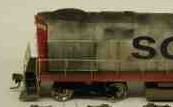
be more dusty and arid like in a desert? For example, the rolling stock
might need a sun-bleached look, which can be achieved with dullcoat
brushed over with some rubbing alcohol. This will give the model a kind of
a white milky haze. If you don't like it, respray with dullcoat.
However, always test techniques on something else
before you try them out on your prized models, because you may not like
the effect.
Share Your Best Weathering Tips And Win Keys to Download Center
Scale Model weathering has many practioners, all pretty much using their own favorite techniques and recipes.
Weathering is nothing like the infamous "beef patty " modus operandi. It is not a secretive Do Not peak environment, we all learn from each other.
Have you have a great recipe or technique for weathering others can learn from? Share it here!
We will share with you the password for the SMH Download Center
What Other Visitors Have Said
Click below to see contributions from other visitors to this page...
Just me with a weathering tip You notice on rusted pipe like exhaust one's the surface has become rough due to heat and weather and what not. The best way I've found to simulate that …
Simply rub the putty into the tracks to fill the gaps as mud would realistically …
Adding exaust stains and/or aging. Not rated yet I simply took my h/o scale loco's to my next door neighbors, and held them at various distances from his diesel exaust on his pick-up. masking off areas …
panzer faust 73 Not rated yet If you want clumpish, muddy tank tracks, here is a tip you can use: Mix baking soda into your acrylic paint. It forms a nice clumpish sort of mixture …